
Skip to Content

Tag Archive: Metal Industry

  1. Back to Basics: How to Get a Prototype Manufactured

    Comments Off on Back to Basics: How to Get a Prototype Manufactured

    There are recurring customers who have been with us for decades and order bulk-quantity productions. There are also people brand new to the world of sheet metal fabrication who walk through TEDCO’s doors all the time.

    Back to Basics: How to Get a Prototype Manufactured Once in a while, it is best to go back to basics and explain processes that are at the very foundation of what we do, such as how to get a prototype manufactured

    Precision sheet metal prototyping gave TEDCO the foundation to execute the larger projects we do today. When our company was just a father, son, and a small metal shop, prototyping was all we did. 

    Prototyping is the process of quickly building a simplified version of a product to test ideas, gather feedback, and, in some cases, go back to the drawing board for revisions.

    Let’s Talk Steps 

    Preparing Your Digital Model 

    Before requesting an estimate from TEDCO, you have to create a DFM, or Design for Manufacturability. You have to ensure your design uses standard material thicknesses and consistent bend radii, as well as welding, hardware, or finishing call-outs.  Keep in mind to avoid overly complex tolerances or geometries to keep costs low. 

    Manufacturers require a 3D STEP file, DXFs, and possibly other formats, depending on the software used to read the drawing.

    Choose Your Material

    It is best to stick to standard common metal materials like Aluminum, Stainless Steel or Cold-Rolled Steel for the fastest turnaround and lowest costs. If this prototype will not make it to final production and will need alterations before signing off on larger quantities, it’s best to use thinner, less expensive materials. Also smart to choose an in-stock selection from vendors to reduce lead times. Back to Basics: How to Get a Prototype Manufactured

    Submitting Request for Quote

    Now you can email TEDCO directly, or submit on our request for quote form on the TEDCO website to get pricing and lead time before taking the next steps. If there are any further questions for our executive programmer, you can arrange a meeting to discuss the project at hand. Our experts will help you agree on materials, hardware needed, or how to save costs by eliminating certain aspects of the prototype. Coming in for a meeting also presents the opportunity to tour the shop or talk about machining needs.

    This is also the time to decide on finishing treatments such as powder coating, anodizing, or chem film applied for aesthetics or for corrosion resistance. 

    Fabrication Process 

    Once the quote is approved, the purchase order is submitted, and the due date is settled upon, it is time to get this project into fabrication. In the next few months, we will dive deeper into the fabrication steps and the machines used throughout the process. Once completed, the customer typically takes the prototype back to their team or on-site, to see if the part will work as designed. If there are any further revisions that have to be made before the part goes into production, TEDCO is here for the next round of prototyping.

  2. Navigating Tariffs in the Metal Industry

    Comments Off on Navigating Tariffs in the Metal Industry

    Navigating Tariffs in the Metal Industry 

    The constant flux of tariff regulations is causing uncertainties within the sheet metal manufacturing industry. These changes can impact businesses through increased costs and supply chain delays.

    At Tedco, we are dedicated to giving our customers access to metal supplier monthly trend reports to understand how we are navigating tariffs in the metal industry, while maintaining high-quality parts, quick lead times, and precision consistency throughout this changing landscape.

    Navigating Tariffs in the Metal Industry


    Why Tariff Alleviation Matters in Sheet Metal Fabrication

    Tariff mitigation affects companies heavily relying on international materials, leading to price surges and production slowdowns. While the worst-case tariff scenarios seem to have been avoided, the policies are still unstable, causing ripple effects across the global material market. 

    North American Stainless has introduced a tariff-like surcharge for May shipments, with potential fees included through July. With continued uncertainties, there are talks that other mills may follow, like Constellium, which has also implemented a tariff-related surcharge. This remains a trend to watch, as well as incentives to reshore manufacturing, which will likely increase. 


    Tariff Implications on Planning and Purchasing Materials

    Despite policy shifts, demand is steady for now. As expected, imported materials are becoming less attractive while companies are looking for domestic producers to help avoid fees. Many remain cautious, buying far more conservatively, stocking only what they need for in-house jobs, and rethinking their sourcing strategies. While depot inventory is thinning, perhaps an indicator of future lead-time increases. Supply chain planning and purchasing strategies remain critical.

    Metal Market Landscape as of Now*

    May 11, 2025: The administration reduced tariffs to 30% after previously increasing tariffs on international imports to as high as 145%. This means a return to slightly calmer waters. 

    Aluminum, copper, and nickel had tumbled 15-20% in the previous weeks but have now rebounded by roughly 10-15%.

    Aluminum- After plunging in early April to nearly $1.05/lb, prices have rebounded to the $1.10 range. This is due to a surge of pre-tariff Aluminum that flooded the U.S. market late last year, creating a temporary buffer that is still working its way through the system. We will see Midwest premiums creep up slowly in the coming months. 

    Nickel- Pricing is stabilizing around $7/lb; this range is now acting as the natural floor, especially as Indonesia raises royalties on nickel and tin mining. 

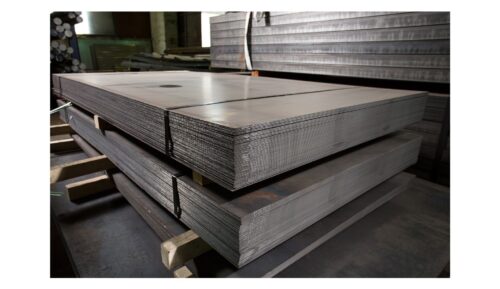
    Steel- Particularly for hot-rolled coil steel, prices are remaining steady at around $900/ton, showing less volatility than other metals. While carbon steel producers like Cleveland-Cliffs are taking capacity offline to remain efficient, possibly triggering a price floor in the coming months. 

    Navigating Tariffs in the Metal Industry

    *Sourced from Ryerson May 2025 Market Report


    Tedco’s Strategy for Managing Tariff Risks

    Our company’s approach to navigating tariffs in the metal industry is with resilience, transparency to our valued customers, and smart purchasing strategies to maintain our precision quality products, fair pricing, and efficient lead times. We plan on staying vigilant on market updates to remain ahead of the material trends and keep pricing accurate.

    We will be strategic when it comes to inventory planning, buying materials conservatively. And maintaining close relationships with our primary suppliers to ensure a transparent supply chain to reduce price spikes. 

    Tedco also sources domestically, giving us tighter control over costs, delivery, and turnaround times. 


    Let’s Connect 

    Want to know how Tedco can support your next project?- Contact us to learn more about our approach to risk management, precision fabrication, and how we are navigating tariffs in the metal industry. 

    More on current tariff conditions here.