Industry Spotlight: Sheet Metal Fabrication for Renewable Energy
Comments Off on Industry Spotlight: Sheet Metal Fabrication for Renewable Energy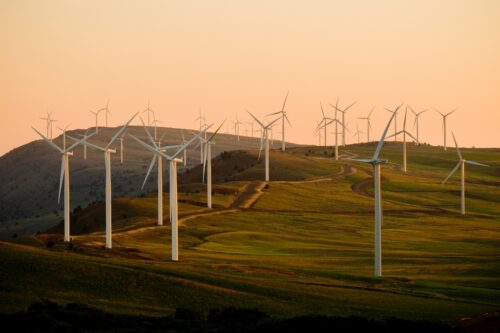
The renewable energy industry has been demanding precision metal components that can handle various climates and outdoor environments for decades. Metal fabrication plays a crucial role in the reliability and functionality of energy storage systems, solar and wind turbines, and emerging hydrogen technologies as the industry is expanding at an unprecedented pace.
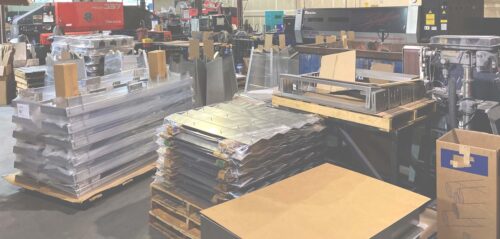
TEDCO is positioned to meet the needs of renewable energy engineers and OEMs with our proven forty years of reliability and precision metal components. Our core competencies in metal fabrication include bulk production projects, experience with complex geometries and tolerances, and decades of prototype manufacturing knowledge. Our agility to move from prototype to short-run production helps clients bring parts to newly developed energy systems quickly without sacrificing quality.
Sheet Metal Components for Renewable Energy

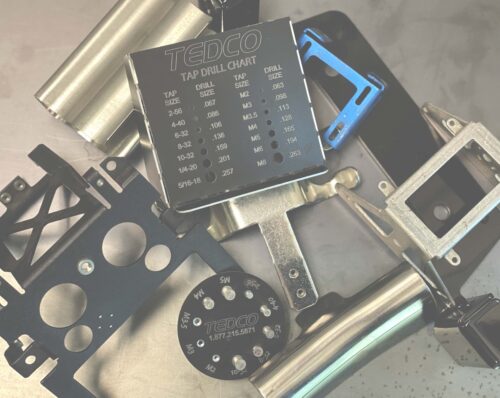
Metal Enclosures- The Renewable Energy Industry frequently requests durable metal enclosures to protect electronics and sensitive components from the elements in outdoor environments. TEDCO’s metal enclosures are designed with quality in mind, fabricated to withstand various conditions while maintaining airflow and thermal characteristics. Enclosure housing is one of our most sought-after products for energy storage systems.
Solar Power Components- We regularly produce custom sheet metal components for solar installations, including mounting brackets, racking hardware, and combiner boxes. These parts demand corrosion-resistant materials and reliable, consistent forming to ensure long-term performance, which is why materials like aluminum and stainless steel are often preferred for solar applications.
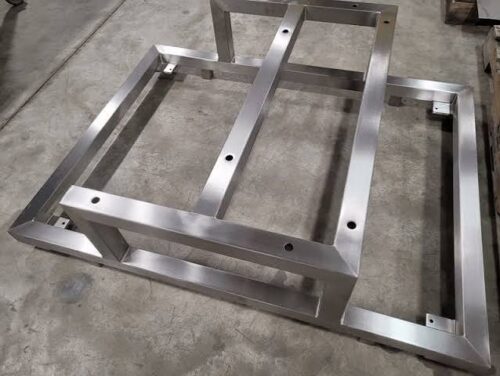 Structural Frames and Supports- Renewable energy projects like hydrogen systems, EV charging infrastructure, and modular power units require custom frames and support structures. TEDCO’s ability to fabricate complex welded and bolted assemblies using stainless steel and other rugged materials makes us a valuable partner for these applications.
Electrical Power Parts- Our shop regularly creates mounting brackets, grounding plates, and supports for electrical safety to shield critical electrical components. These tight spaces usually require precise tolerances and repetitive production runs with quick timeframes. This is not a problem for TEDCO, as we have decades of knowledge of high-performance precision sheet metal solutions for the renewable energy industry.
Wind Energy Parts- The infrastructure of wind-powered energy projects requires sheet metal fabrication for housing control panels and protecting mechanical systems from the elements. TEDCO produces reliable components that withstand movement and exposure to the environment.
Renewable Energy Material Selection
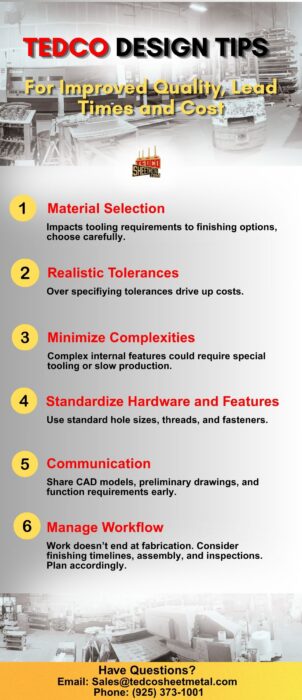
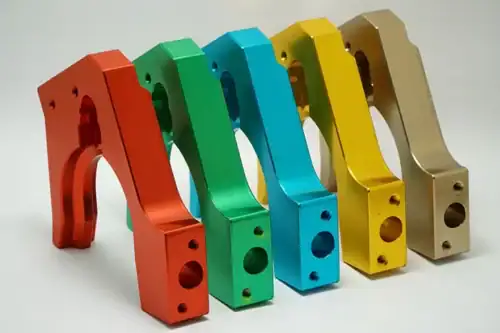
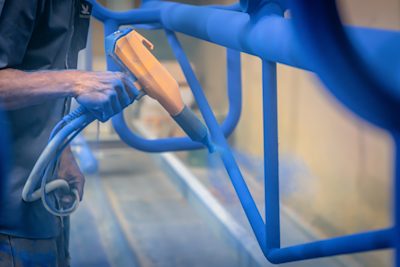
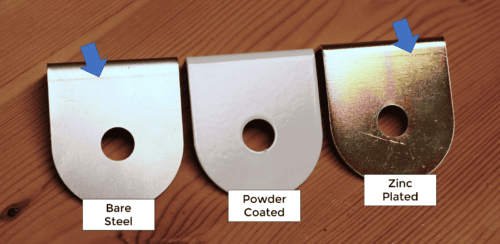
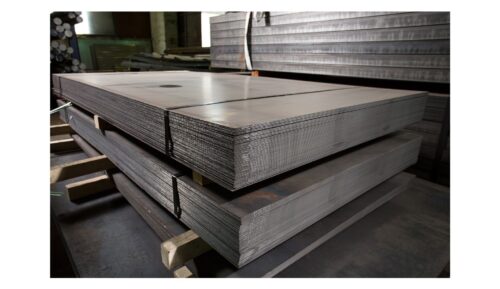
Choosing the right material is foundational to performance, durability, and cost. For renewable energy parts, we frequently use aluminum alloys like 5052 and 6061, valued for their strength-to-weight ratio and corrosion resistance. Stainless steel, particularly grades 304 and 316, is another top choice for outdoor and marine environments. We also work with galvanized and steel for parts that will be painted or powder-coated, cold-rolled steel for indoor enclosures, and copper alloys for electrical grounding and conductivity.
Assembly and Hardware
Optimizing your design for assembly access, hardware installation, and fastening is important to an efficient fabrication process. TEDCO collaborates with customers to identify the best fastener options, hardware placement, and access points, streamlining processes on the shop floor and in the field.
A Proven Renewable Energy Precision Sheet Metal Fabricator
In an industry where every component must be built to last, TEDCO has proven itself as a trusted partner for custom metal fabrication. Our deep experience with precision metal fabrication allows us to support clean energy innovators with quality, speed, and expertise.
From material selection to manufacturability review, from sheet metal prototyping to scalable production, we provide the kind of hands-on partnership that helps renewable energy projects succeed. If you’re searching for a reliable, knowledgeable fabrication company with proven experience in renewables, look no further than TEDCO.
Ready to get started? Contact us today to talk about your next renewable energy project.