Deciding Between Sheet Metal and Machining Components
Comments Off on Deciding Between Sheet Metal and Machining ComponentsDeciding between Sheet metal and machining components is one of the first decisions engineers make during the design process. This decision impacts cost, lead time, whether there are additional steps in the fabrication assembly line, and overall performance of components. Both options have their advantages and deliver high-quality projects. Here is a guide to help determine which manufacturing process best fits your sheet metal needs.
How Complex Is It?
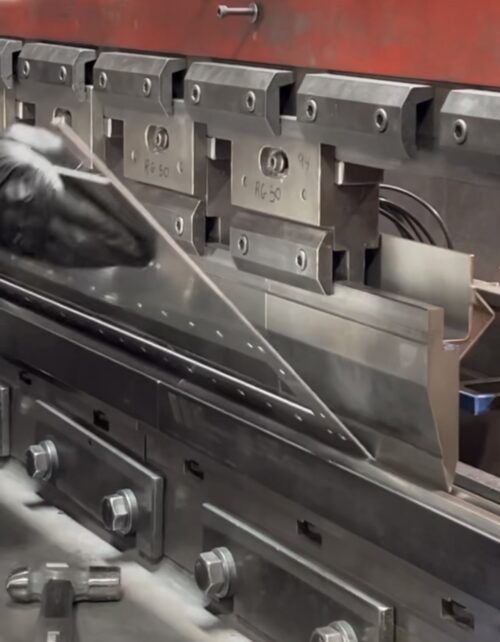
Choose sheet metal fabrication when your products are lightweight brackets, chassis, or enclosures, and the design is made from a flat pattern, has flanges, or requires straightforward forming.
Choose machining if the part requires tight contours, deep cavities, and pockets. Machining is best for components with internal features or multi-plane designs. If the geometry can be created from a flat pattern, metal fabrication is the right option; if not, machining is the way to go.
How is the Pricing Different?
With sheet metal fabrication, there is less material waste, production is typically faster (especially with TEDCO’s Amada ENSIS 3015AJ Laser), and costs are adjusted for bulk quantity projects.
You can see higher machining costs due to material removal and cycle times. Components that have more complexities add to labor costs and longer lead times. For many designs, the cost difference between sheet metal vs machined components becomes clear once strength, geometry, and tolerances are considered.
Tight Tolerances
Sheet metal is best for standard commercial tolerances and bend variability. Machining is best for tight tolerances, mating surfaces, and critical fits. When precision drives product performance, a machined component typically offers the accuracy required.
Material Requirements
Sheet metal works well with aluminum, stainless, and cold-rolled steel. It is ideal for thinner materials and lightweight components. Sheet metal relies on bends and formed features for rigidity.
Machining supports thicker, high-strength components, handling a wide range of materials, and tough alloys. If the parts must withstand significant loads or require tight tolerances, machining may be the better choice.
Scalability
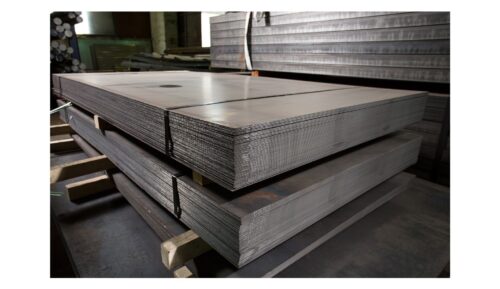
Scalability refers to whether there are plans for bulk production. Sheet metal is excellent for prototypes and large-volume projects. It works best for projects with minimal tooling and fast iterations.
Machining is best for low-to-medium volume jobs, as it is costly at large quantities because there is less automation in machining. Prototyping needs, production goals, and cost target all influence the decision process, so discuss in advance with your fabricators.
When a Hybrid of the Two Makes Sense
Tedco has learned over the years that many project assemblies work best when sheet metal and machined components are combined. Tedco has built a close network of machinists who work directly with us for hybrid jobs. Combinations likely include enclosures with machined internal parts, Sheet metal housing with machined interfaces, or lightweight designs that require both rigidity and accuracy.
Choosing between machining and sheet metal components depends on the requirements of the project. Be sure to take a look at the necessary tolerances, strength, geometry, and the volume and scale of the project. Most importantly, share the budget with your engineering team to make adjustments when necessary. Both processes bring unique advantages, and many projects benefit from a hybrid approach. At TEDCO, we help clients decide the best manufacturing method for early prototypes through full-scale production.

