Industry Spotlight: Sheet Metal Fabrication for the Telecommunication Industry
Comments Off on Industry Spotlight: Sheet Metal Fabrication for the Telecommunication Industry
Sheet metal fabrication for the telecommunication industry is one of our most valued and profitable partnerships within our line of work. Telecommunication infrastructure is the backbone of the digital world, with billions of people relying on it for instant global communication. The telecommunication industry requires precision-fabricated metal components to maintain performance and technological advancements that are unseen to the public using such developments.
At Tedco Precision Sheet Metal, we have partnered with telecom companies throughout our history. Our custom metal fabrication capabilities are perfectly suited to meet the industry’s most complex and precise projects. Our decades of expertise help us to understand the unique challenges of telecommunications and the importance of a timely leadtime, and quality performance.
Common Telecommunications Sheet Metal Components
The Telecom industry uses a wide array of sheet metal products that are required for large rollouts. Tedco DFM Experts (Design for Manufacturing) ensures smooth production with cost-effective solutions throughout the entire process. Applying DFM principles early helps prevent issues such as tolerance stacking, airflow restrictions, improper grounding, or difficult assembly. A fabricator with telecom experience can identify design adjustments that reduce cost, improve lead time, and ensure reliable field performance.
Key Telecommunications Sheet Metal Components include:
Battery Backup Cabinets: These critical components protect and house batteries, and our fabrication allows for proper ventilation and cooling while providing the structural integrity necessary.
Antenna Housings: Our metal fabricators maintain the tolerances required for antenna housings while ensuring durability for outdoor installations.
Server Racks and Cabinets: These racks provide robust support and grounding for critical equipment.
Enclosures and Casings: Our shop has extensive experience creating enclosures that protect sensitive telecommunications equipment from environmental factors, customized with vents for cooling.
Cable Management Trays and Raceway Systems: These systems are often fabricated from sheet metal for durability and ease of installation. Precision-placed mounting points reduce installation time while ensuring secure cable support.
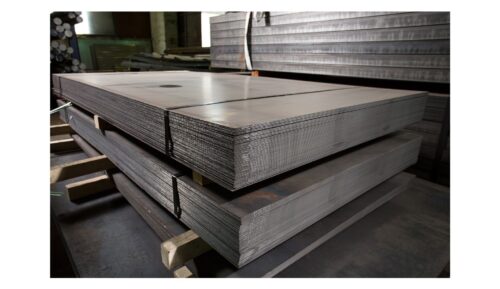
Common Materials Used for Telecommunications Components
Aluminum: Aluminum fabrication is excellent for applications requiring strong, lightweight solutions.
Stainless steel: For environments demanding the highest durability.
Cold-rolled steel: Often well-suited to indoor applications or parts requiring a smooth finish.
Galvanized steel: Ideal for outdoor applications that prioritize corrosion resistance.
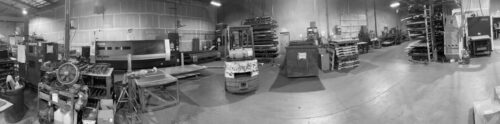
Why Tedco Precision Sheet Metal is the Ideal Fabrication Company for the Telecommunication Industry
A long history and proven track record with the telecom industry render us the ideal partner for fabrication services. Our distinctive capabilities and advantages include:
In-House Welding and Other Services: We offer a range of sheet metal welding in our metal fabrication shop, including MIG, TIG, spot, and resistance welding. Our experienced team will handle projects of any scale or difficulty.
Hardware Guidance and Installation: We help you choose the ideal hardware for your project to ensure structural integrity while minimizing costs.
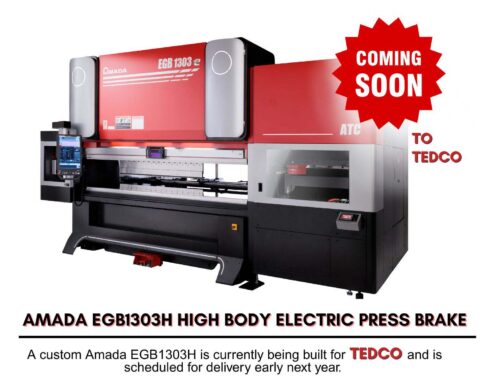
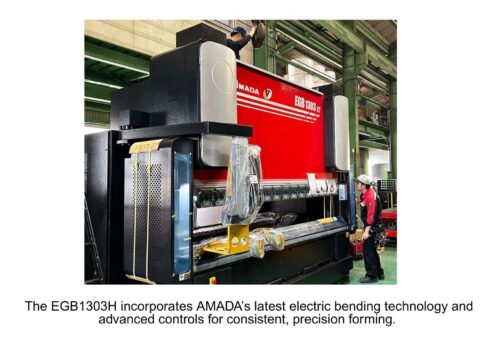
Advanced Capabilities: At Tedco, our sheet metal forming delivers precise parts quickly. Our laser cutting allows for precise cuts with minimal material waste, while our in-house punch press achieves tolerances of +/- .003”
Quality Assurance: Our rigorous quality control process ensures every component will always meet industry standards.
Tedco combines advanced fabrication capabilities with decades of telecom experience. In-house laser cutting, forming, punching, welding, hardware installation, and quality control allow for tight process control and consistent results. Our team also provides design guidance, hardware recommendations, and custom rack and enclosure solutions to support both prototype and production telecom programs.
Are you looking for a custom fabrication shop that can handle your next telecom project? Our expert team of fabricators is ready to tackle your next project. Request a quote today and learn why Tedco Precision Sheet Metal is the preferred partner of many telecommunications companies.