
Why Revisions are Normal in the Prototyping Process
Comments Off on Why Revisions are Normal in the Prototyping ProcessIntroducing a new product into the world may seem like a straightforward process, as described in our blog, “How to Get a Prototype Manufactured,” but there are many obstacles that could arise that lead to early revisions. Developing complex metal components with tight tolerances and unique applications is rarely a perfect design from the start. Refinements are expected; that’s why revisions are normal in the prototyping process.
During NPI, or new product introduction, thoughtful revisions in the beginning development stages help identify areas of improved performance, durability, and cost-saving measures. It’s important to pinpoint possible improvements early on to avoid premature production runs that would ultimately produce faulty parts to customer standards.
Why Revisions are Normal in the Prototyping Process
Even with a great engineered design, some insights are only visible once in the manufacturing space or in a real-world application. If the need for design modifications is caught before reaching real-time application, costs can be saved in additional production time. Possible causes for revisions could be:
Component Optimization:
Improvements that, when made, alter structural integrity, functionality, or overall performance for the better.
Manufacturability Improvements:
Features may seem ideal on paper, but when brought into a manufacturing shop, they could be refined for faster turnaround times or cost-saving measures. Adjustments could be made to the type of welding callouts or requested hardware, all of which would not be recognized until speaking to a manufacturing professional.
Material Selection:
Fabrication may suggest a cheaper metal or material thickness depending on the component’s real-world use. Some material may need testing, or more information to be provided about the type of elements the component will be up against after manufacturing.
Installation:
Sometimes it is necessary to run a first article, or just one part. This ensures fittings are correct and, if assembled with other components, tests how the installation goes. This allows for more revisions to be made before running bulk productions.
Why Early Detection is Ideal
Early evaluation is crucial in identifying potential challenges or adjustments before production is full-scale. This helps avoid risks of overspending for modifications down the line.
Design refinements reduce variations during production, keeping the products consistent and uniform. It also contributes to improving the part’s long-term reliability, identifying which modifications could be made for precision quality and design. Most of the time, this time-consuming step alters the overall design and durability, helping with the transition between prototype to bulk production.
Collaboration is Key
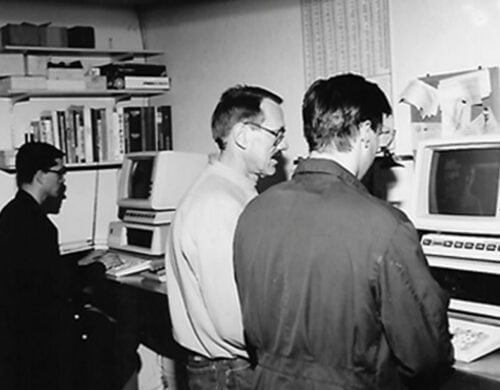
Successful new product introduction (NPI) is often dependent on the communication between the design engineer and manufacturing programmer. With these two being responsible for ironing out the final touches, they must review the first article and collaborate to make sure the component functions accordingly.
At Tedco, we work closely with customers during NPI processes to help refine designs, support manufacturability, and ensure that components transition smoothly from beginning to end.